
Schema Markup for SEO: How to Add Structured Data to Your Website
Learn how schema markup and structured data can help search engines better understand your website. Discover common schema types, JSON-LD implementation, SEO best…
Read more →
Expert perspectives on software engineering, AI, cybersecurity, cloud and digital growth.
Learn how schema markup and structured data can help search engines better understand your website. Discover common schema types, JSON-LD implementation, SEO best…
Read more →
Ranking on Google demands both content relevance and technical excellence. Learn how to diagnose Search Console indexation issues, manage crawl budget, and meet key…
Read more →
Create faster, clearer experiences for the devices customers use most.
Read more →
Design choices that control infrastructure cost without sacrificing performance.
Read more →
Where generative AI creates value and how to deploy it responsibly.
Read more →
How independent frontend delivery can help large product teams move faster.
Read more →
A practical approach to identity-first security and continuous verification.
Read more →
The right stack is the one your team can hire for, operate and still change later.
Read more →
Traffic that reaches checkout is your most valuable. Small friction there costs more than anything upstream.
Read more →
Monitoring tells you something is wrong. Observability lets you find out why without deploying new code.
Read more →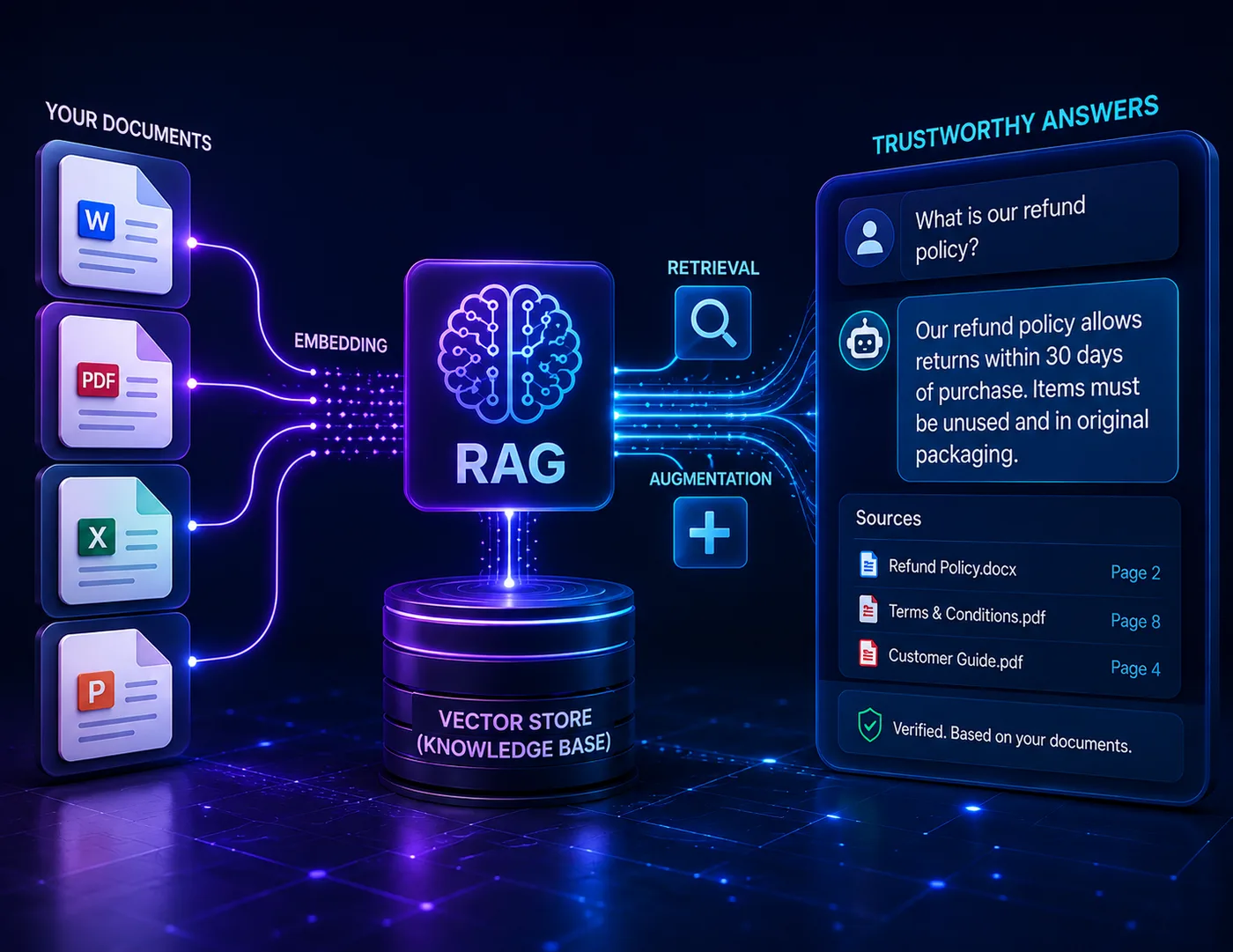
RAG grounds language models in your own documents so answers can be checked rather than believed.
Read more →
Users judge apps on startup time and responsiveness far more than on feature count.
Read more →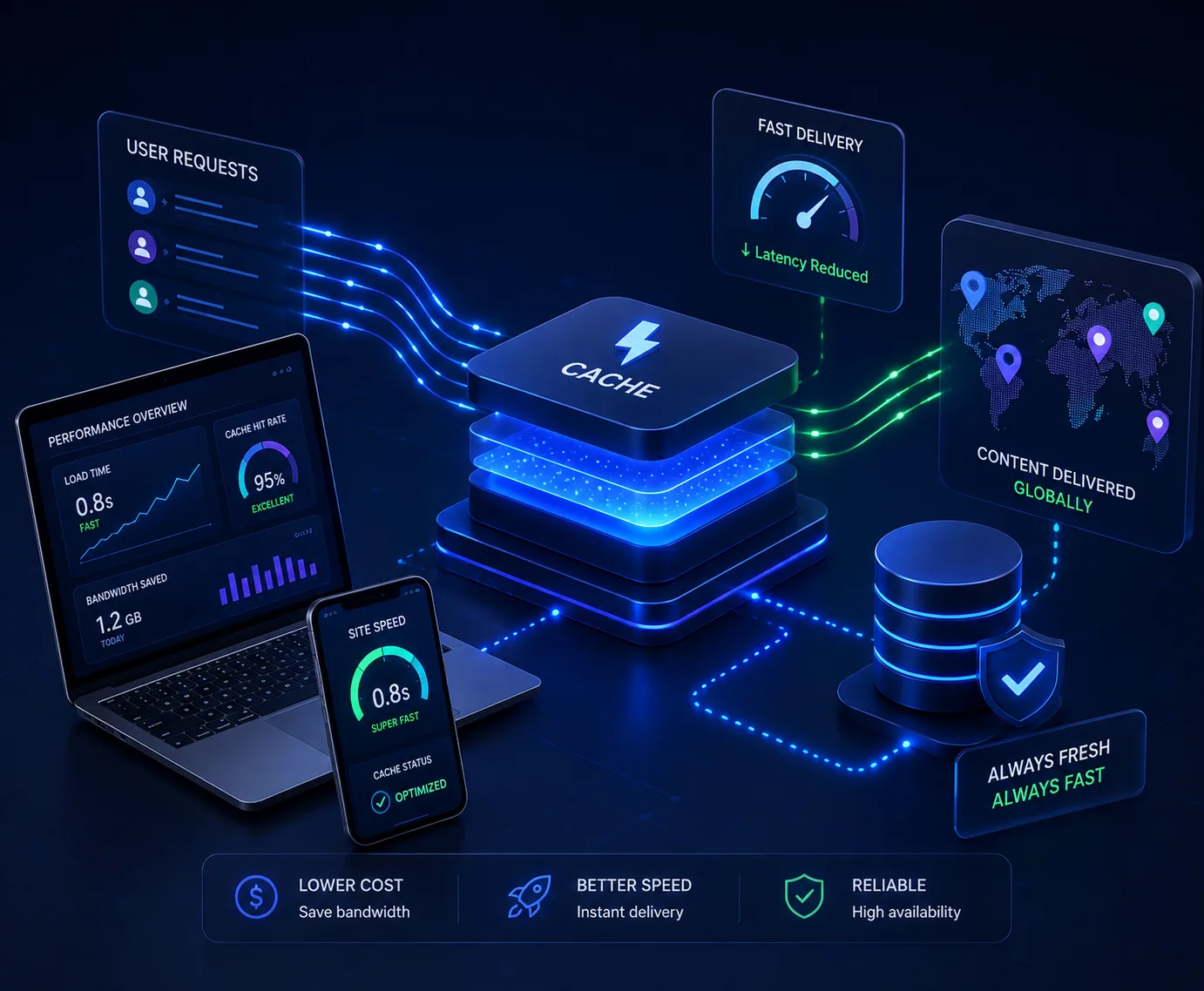
Caching is the cheapest performance win available, and the easiest to get subtly wrong.
Read more →
Schema markup describes what a page means, not just what it says.
Read more →
Large migrations fail on rollback planning far more often than on the migration itself.
Read more →
Accessibility is far cheaper to build in than to retrofit, and most of it is ordinary good practice.
Read more →
Most cloud overspend comes from a small number of forgotten resources and oversized defaults.
Read more →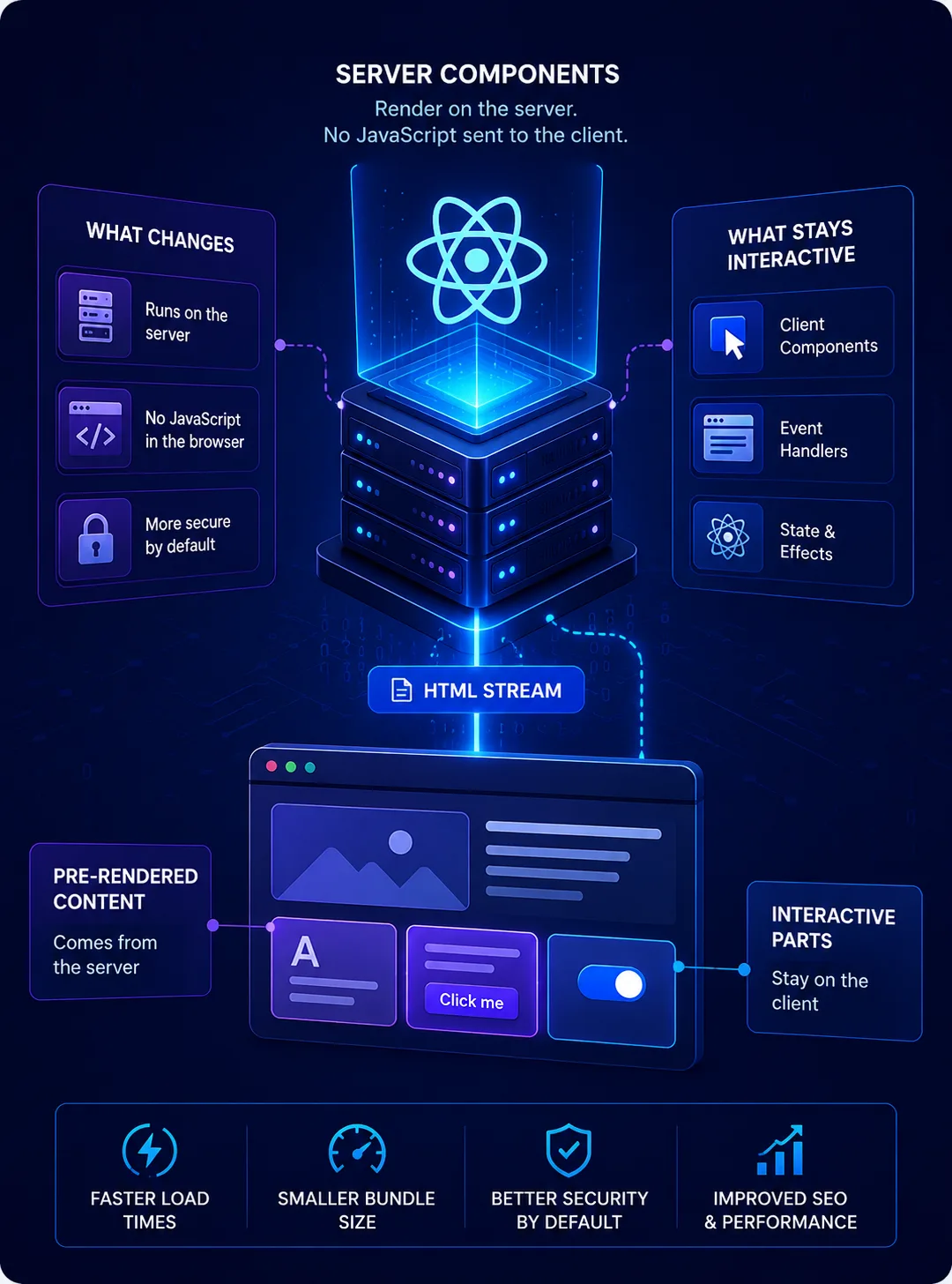
Server components shift rendering back to the server without giving up interactivity.
Read more →
Most API breaches exploit ordinary mistakes rather than exotic vulnerabilities.
Read more →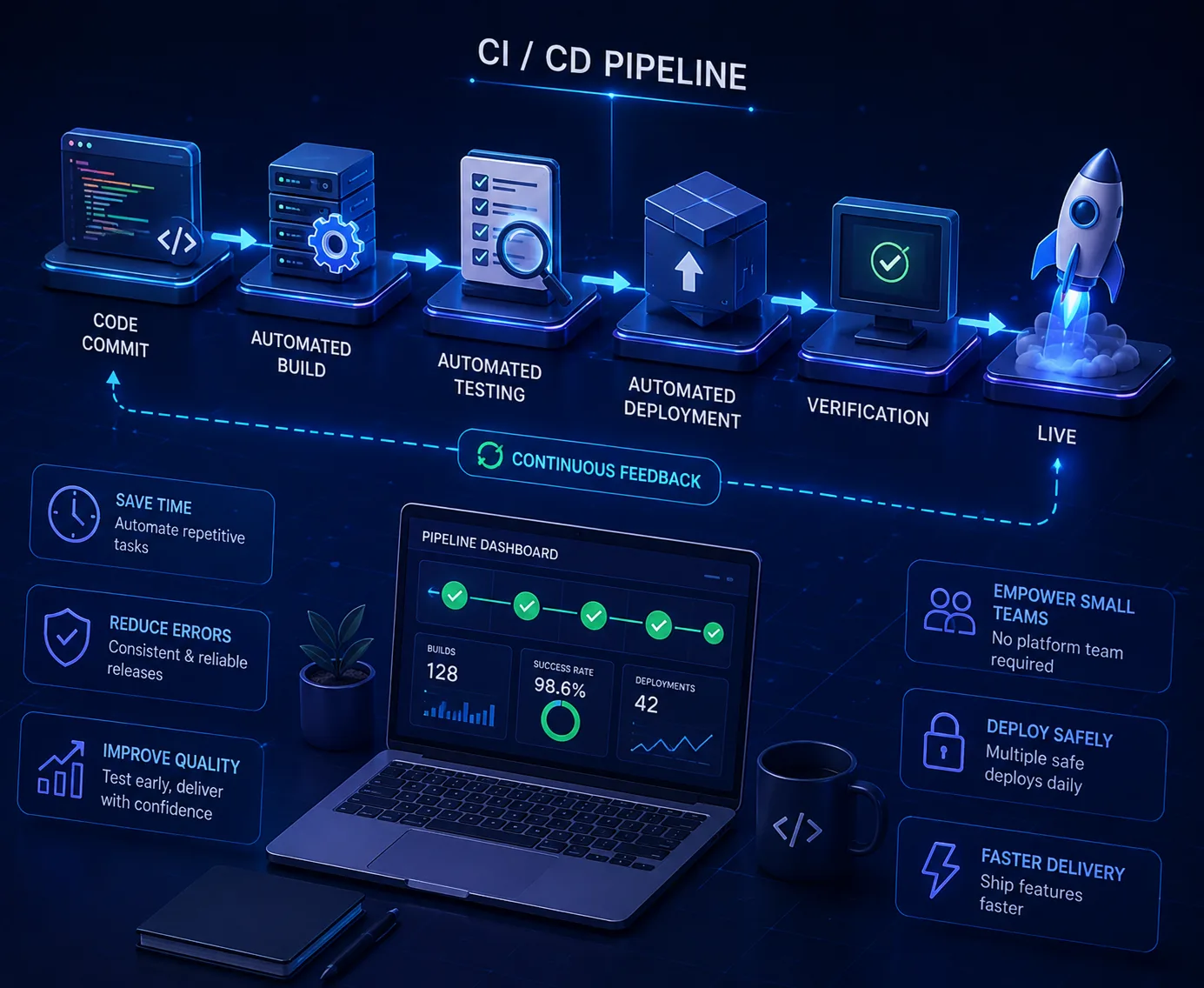
You do not need a dedicated platform team to deploy safely several times a day.
Read more →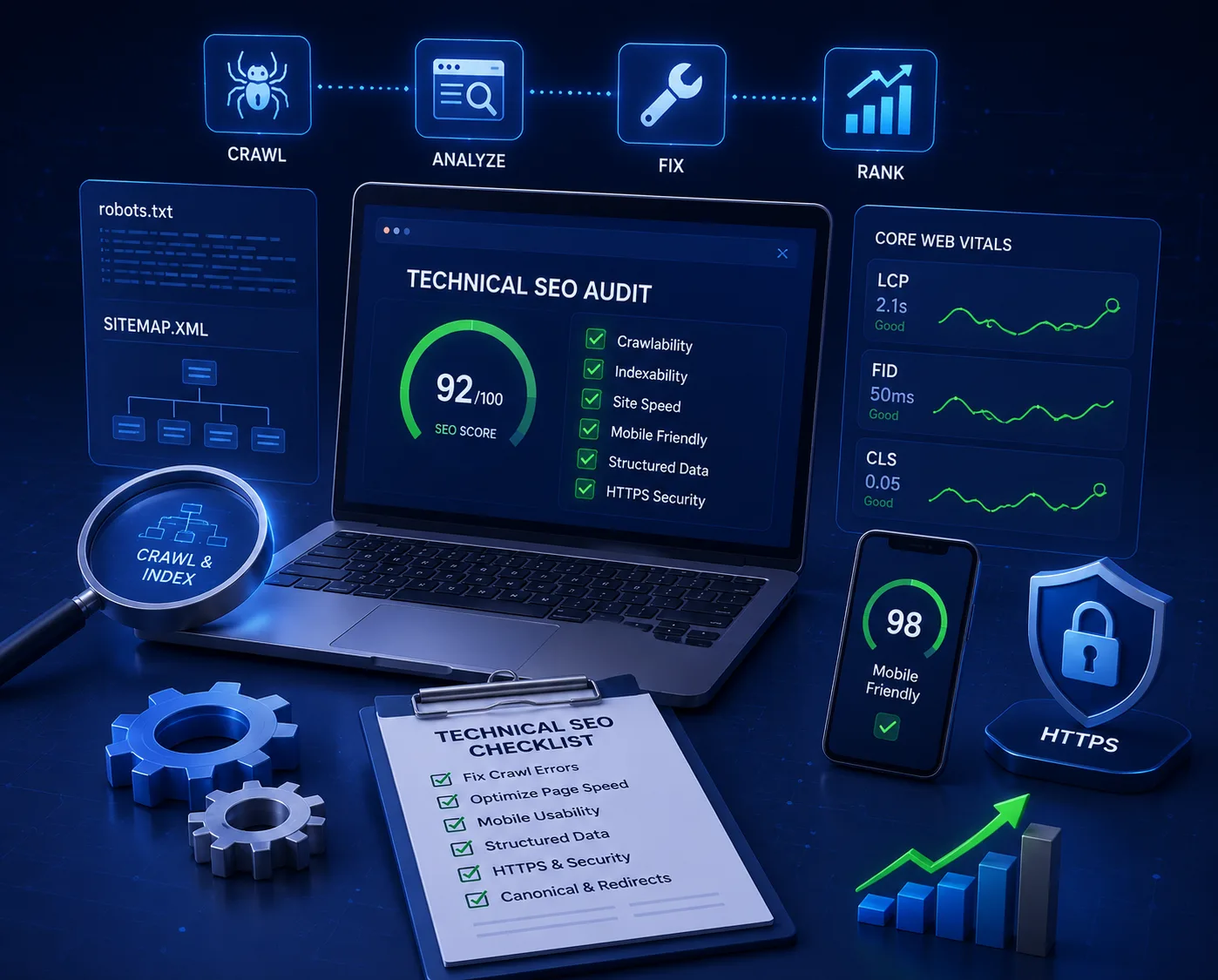
Technical SEO is mostly about removing obstacles so search engines can find, read and trust your pages.
Read more →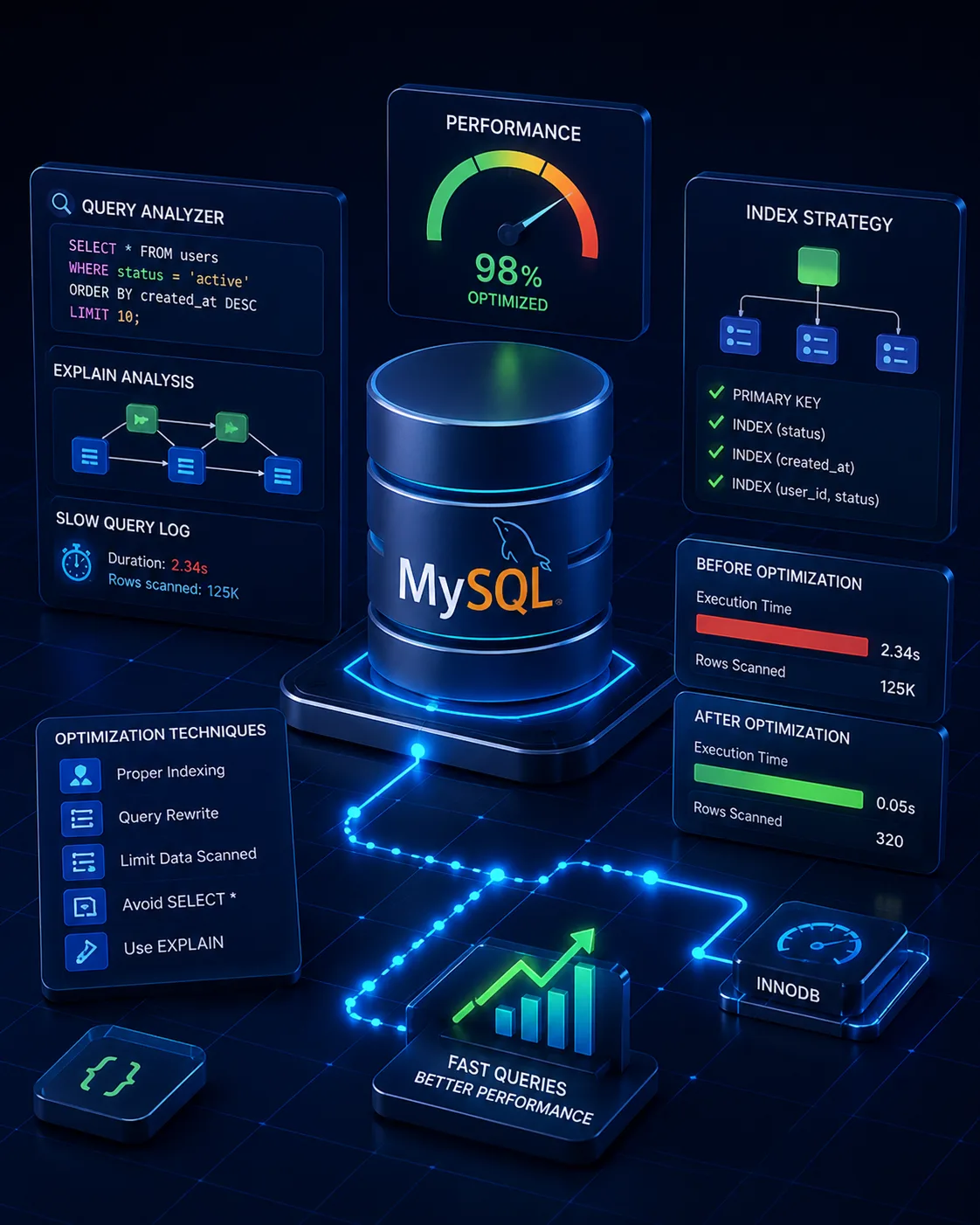
Most slow queries are not a hardware problem. They are an index problem, and the fix is usually small.
Read more →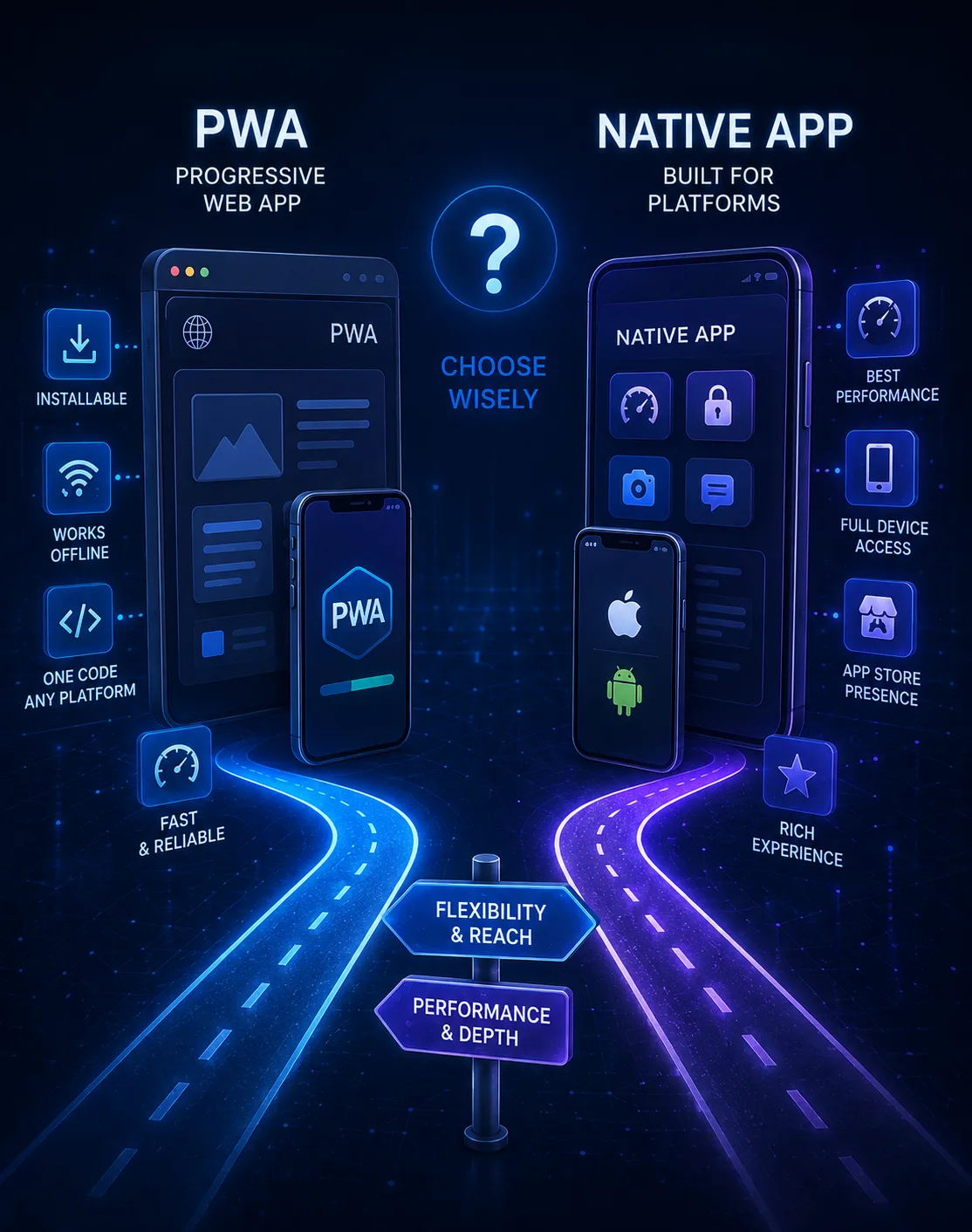
Progressive web apps have closed much of the gap with native. Some of the remaining differences still decide the answer.
Read more →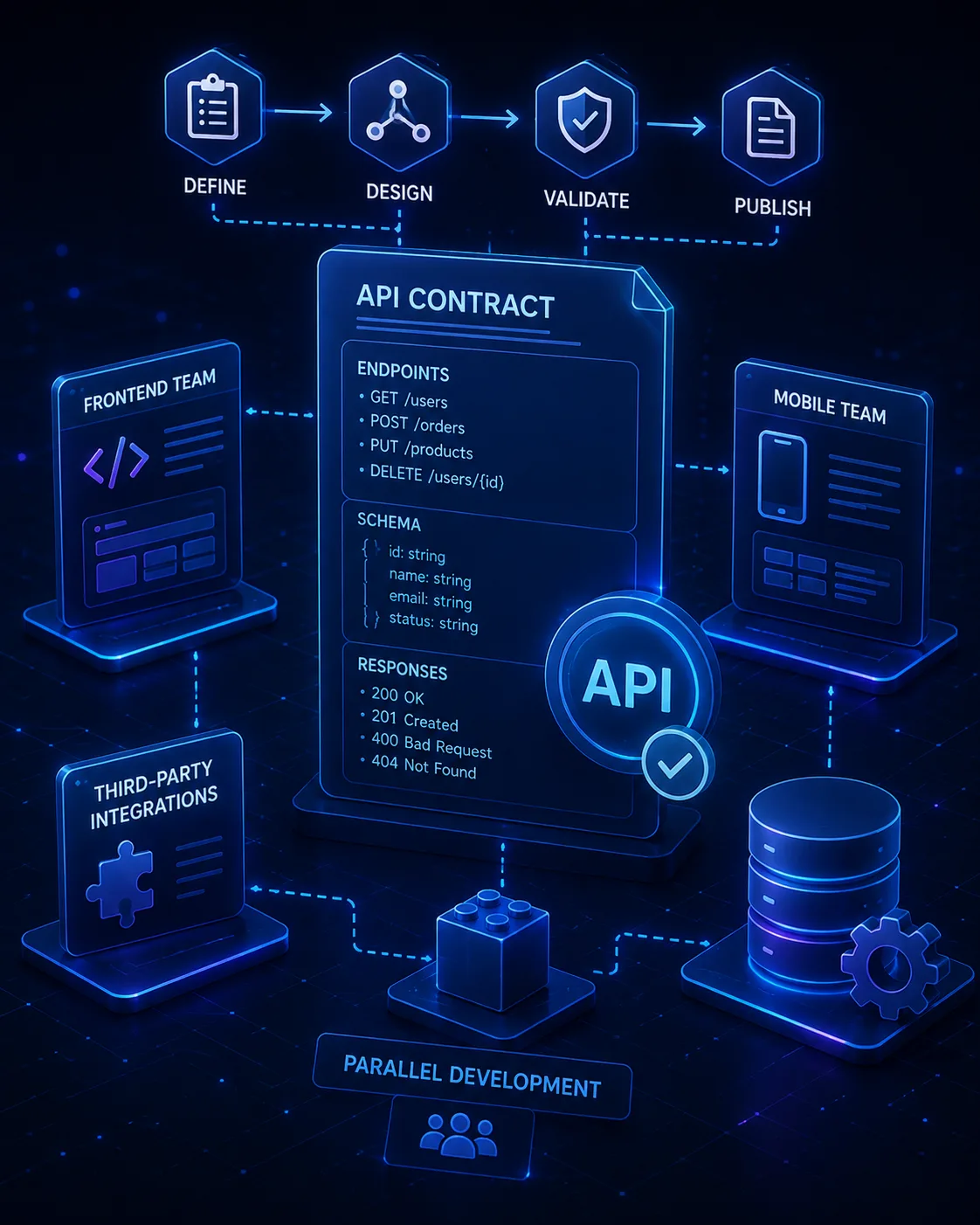
Designing the API before implementation lets teams work in parallel and keeps integrations honest.
Read more →
Both frameworks are mature and well maintained. The right choice depends on team, timeline and the shape of the problem.
Read more →
Core Web Vitals reward pages that feel fast to real people. Here is what actually moves the numbers.
Read more →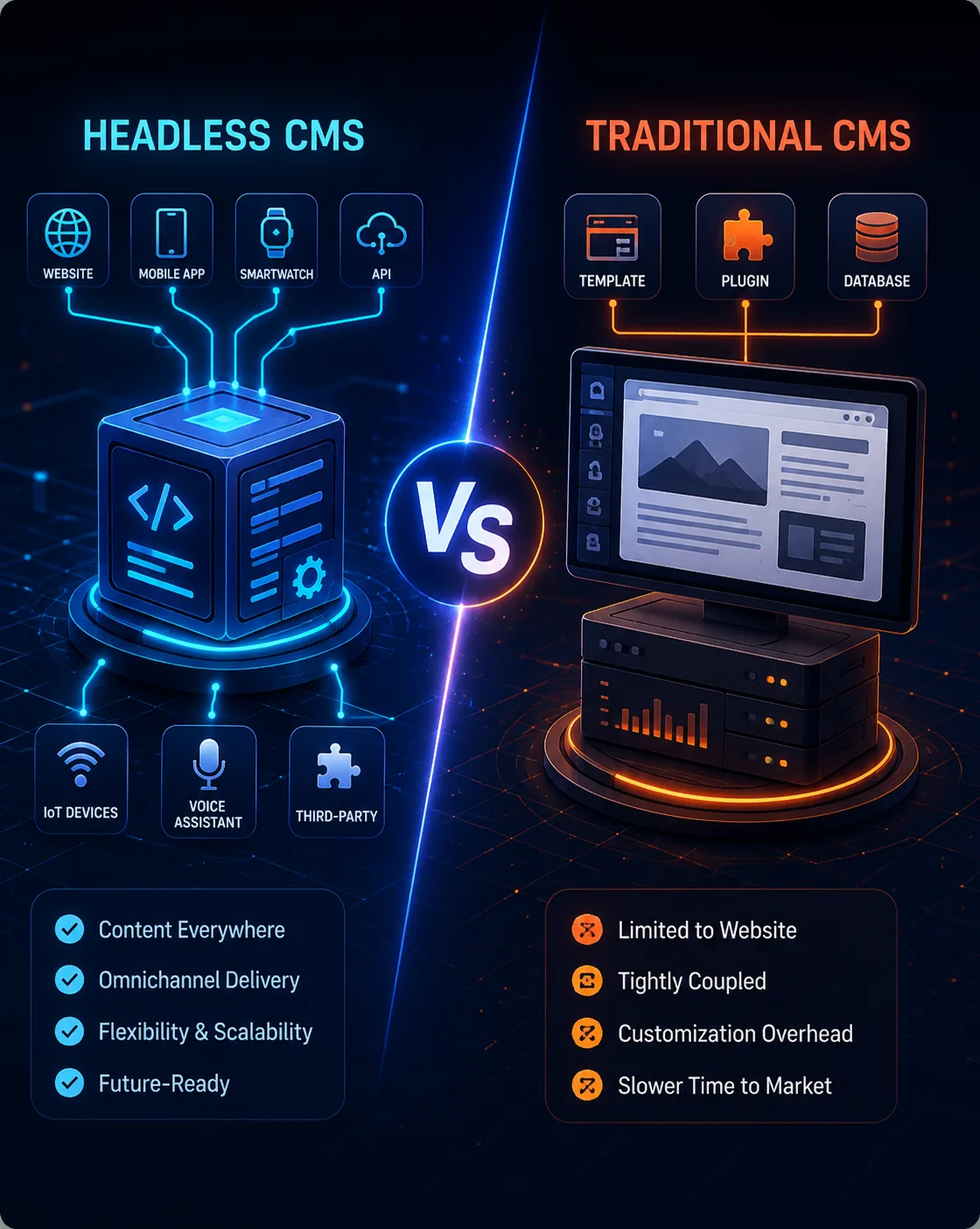
A headless CMS separates content from presentation. That freedom is powerful, but it is not the right answer for every project.
Read more →